
Running a business in 2026 comes with increasing pressure to attract customers, stay visible, and justify every marketing decision. Budgets are closely monitored, competition is intense, and marketing teams are expected to show clear returns on marketing spend.
If acquiring new customers feels expensive, unpredictable, or difficult to measure, you are not alone. Across industries, businesses continue to struggle with rising acquisition costs and uncertainty around which channels actually drive meaningful engagement and sales.
WhatsApp marketing offers a practical solution. When used strategically, it allows businesses to reach customers directly, build trust through timely communication, and drive conversions with more clarity and control than many traditional channels.
Why Traditional Marketing Can Fall Short for Many Businesses
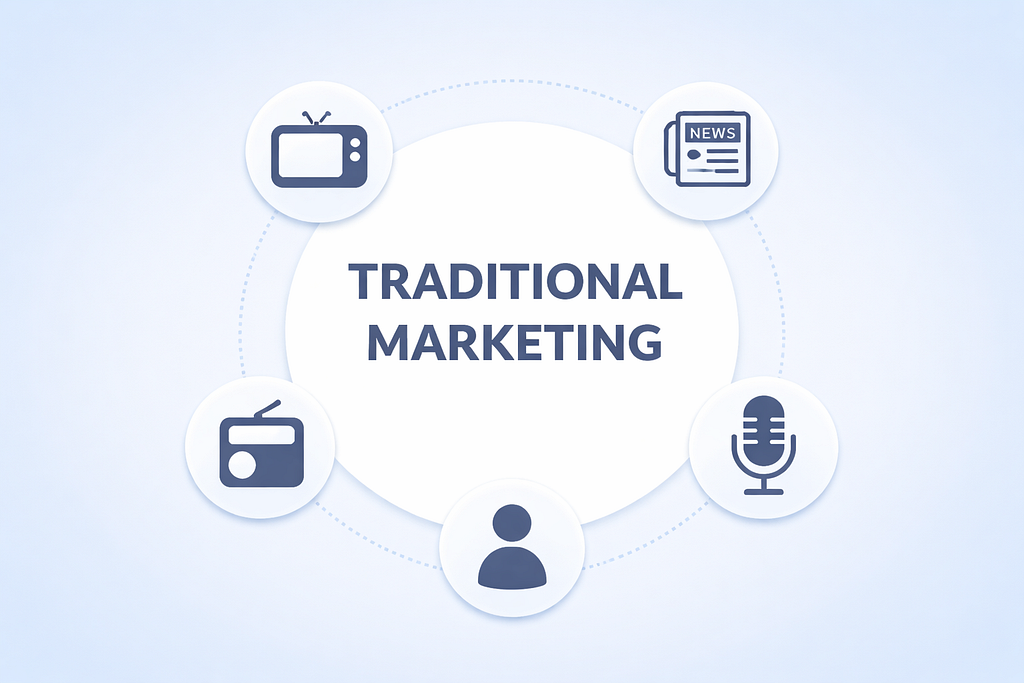
Before discussing WhatsApp, it is important to understand why many traditional marketing strategies fail to deliver consistent results for businesses.
1. Budget Constraints
Even well-established businesses must carefully control marketing spend. Competing on channels like Google Ads or Facebook often drives costs up quickly, with diminishing returns over time.
2. Slow Time to Results
Many traditional strategies such as SEO, long-term brand campaigns, or content marketing take months to show impact. This can be challenging for businesses that need faster, more predictable outcomes.
3. Customer Acquisition Pressure
Across industries, there is constant pressure to generate qualified leads and convert them efficiently. Channels that lack direct engagement often struggle to move prospects from interest to action.
4. Limited Visibility Into ROI
It is frequently unclear which marketing activities directly contribute to revenue. This lack of clarity makes it difficult to optimize campaigns or confidently scale what is working.
5. Increasing Channel Complexity
Marketing platforms, algorithms, and tools continue to evolve. Managing multiple channels while maintaining consistent messaging and performance has become increasingly difficult.
Why WhatsApp Marketing Changes the Game
WhatsApp marketing works because it is built around direct, conversational communication, which aligns with how customers already prefer to interact with businesses.
For businesses, WhatsApp marketing is:
- Direct: Messages are delivered straight to the customer’s phone
- Highly visible: Messages achieve significantly higher open rates than email
- Personal: Conversations feel natural and relationship-driven, not intrusive
- Cost-effective: Engagement does not rely on continuous high ad spend
- Measurable: Delivery, reads, link clicks and responses are easy to track and analyze
Globally, WhatsApp remains one of the most widely used messaging platforms, and customers are increasingly comfortable engaging with businesses on it for support, updates, and purchases.
Building a WhatsApp Marketing Strategy That Works
Step 1: Use WhatsApp the Right Way with the Business API
For any business serious about scale, the WhatsApp Business API is the foundation. It allows you to:
- Send compliant broadcast messages
- Use AI, automation and chatbots
- Support multiple team members
- Track performance and engagement
- Integrate WhatsApp into your workflows, CRMs, calendars, LMSs and more
Intelli manages the entire onboarding process end to end, from application and verification to full setup, allowing businesses to focus on communicating with customers instead of navigating Meta’s complex rules and requirements..
Step 2: Build Your WhatsApp Contact List Ethically
WhatsApp is permission-based. Sending messages without consent will hurt delivery and can lead to account restrictions.
Ways to grow your list properly include:
- Adding a WhatsApp link to your website and social profiles
- Using QR codes in stores, on flyers, or on packaging
- Running Click-to-WhatsApp ads for high-intent leads
- Offering incentives such as discounts, updates, or early access
The goal is simple: customers choose to hear from you.
Step 3: Segment Your Audience
Not every customer should receive the same message. Segmenting helps you stay relevant and avoid spamming.
Common segments include:
- New vs. repeat customers
- Past buyers vs. prospects
- Location-based segments
- Product or service interest
With Intelli, segmentation allows you to send targeted messages that feel intentional, not mass-produced.
Step 4: Send Content That Adds Value
Effective WhatsApp marketing is not about constant promotions. It is about useful, timely communication.
Examples include:
- Welcome messages that start conversations
- Order updates that reduce support requests
- Reminders for appointments or payments
- Promotional broadcasts that feel exclusive, not aggressive
- Customer support with fast response times
- Product catalogs customers can browse inside WhatsApp
When customers see value, they stay engaged.
Step 5: Automate Without Losing the Human Touch
Automation should reduce workload — not remove personality.
With Intelli, businesses can:
- Automatically answer common questions
- Trigger messages based on customer actions
- Route complex conversations to human agents
- Stay responsive outside business hours
The balance is simple: automate repetitive tasks and stay human where it matters.
Step 6: Measure What Actually Matters
WhatsApp marketing gives you clear visibility into performance. Key metrics to track include:
- Message delivery rate
- Read rate
- Response rate
- Conversion rate
- Click rate
- Revenue driven from conversations
These insights help you improve campaigns instead of guessing what works.
Best Practices for WhatsApp Marketing
Do:
- Get clear customer opt-in
- Personalize messages
- Respond quickly
- Send relevant, useful content
- Respect timing and frequency
Don’t:
- Spam customers
- Send generic messages to everyone
- Ignore replies
- Use unofficial tools
- Treat WhatsApp like email
Getting Started with Intelli
Intelli helps businesses use WhatsApp professionally and at scale without complexity. From onboarding and compliance to automation, broadcasts, and analytics, everything is built to support growing teams.
If you want to get started:
- Book a demo to see how Intelli works, or
- Email [email protected], and the team will guide you through setup and next steps
FAQs
What is the difference between WhatsApp Business App and WhatsApp Business API?
The WhatsApp Business App is designed for very small teams and manual use. The WhatsApp Business API supports automation, multiple agents, integrations, analytics, and compliant bulk messaging. Access to the API requires an official provider like Intelli.
Will I get banned for sending marketing messages?
Not if you follow WhatsApp’s rules. With proper opt-in, approved templates, and responsible messaging, WhatsApp marketing is fully supported.
Do I need technical skills to get started?
No. Intelli handles the technical setup and provides a user-friendly interface designed for non-technical teams.
How soon can I see results?
Many businesses start receiving conversations within days. Because WhatsApp messages are read quickly, results often come faster than email or traditional ads.
Final Thought
Businesses and marketing teams do not win by spending more. They win by communicating better.
WhatsApp allows you to meet customers where they already are, build trust through conversation, and grow sustainably. With the right strategy and the right tools, it becomes one of the most powerful channels available to businesses today.


